Today, hospitals and healthcare systems face the challenge of meeting increased imaging demands while managing space constraints, aging infrastructure, and potentially long construction timelines. As a result, many organizations are turning to temporary imaging solutions, including mobile CT scanners, to maintain continuity of care and meet the growing diagnostic demand of their communities.
A common question during early planning is: What procedures can be performed in a mobile CT scanner, and how does it compare to traditional imaging environments?
This article explains the clinical capabilities of mobile CT scanners, clarifies how mobile imaging differs from modular approaches, and outlines when a mobile CT rental is the right solution.
What is a Mobile CT Scanner?
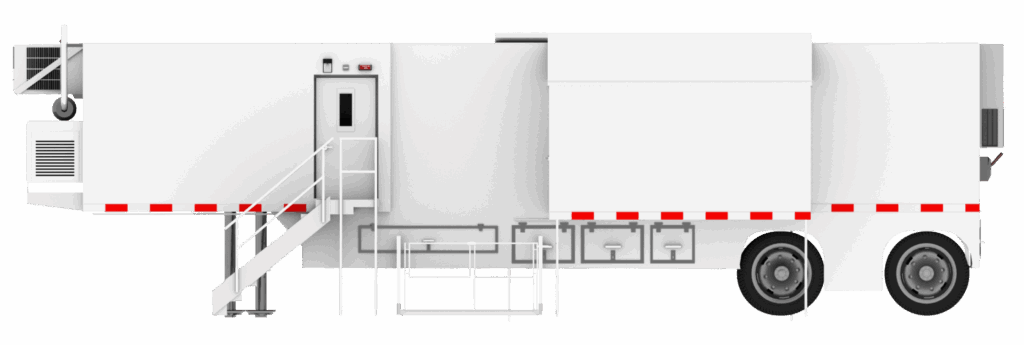
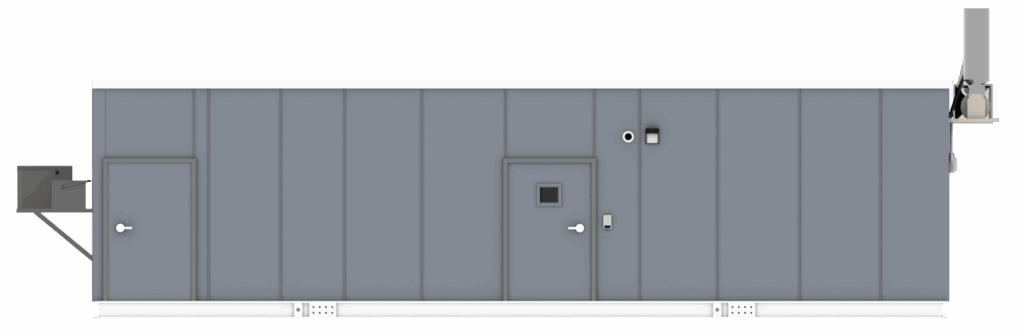
A mobile CT scanner is a fully equipped diagnostic imaging system housed in a trailer. Once delivered to a healthcare facility, the unit is installed on-site and operates as an extension of the hospital’s imaging department for the duration of the lease.
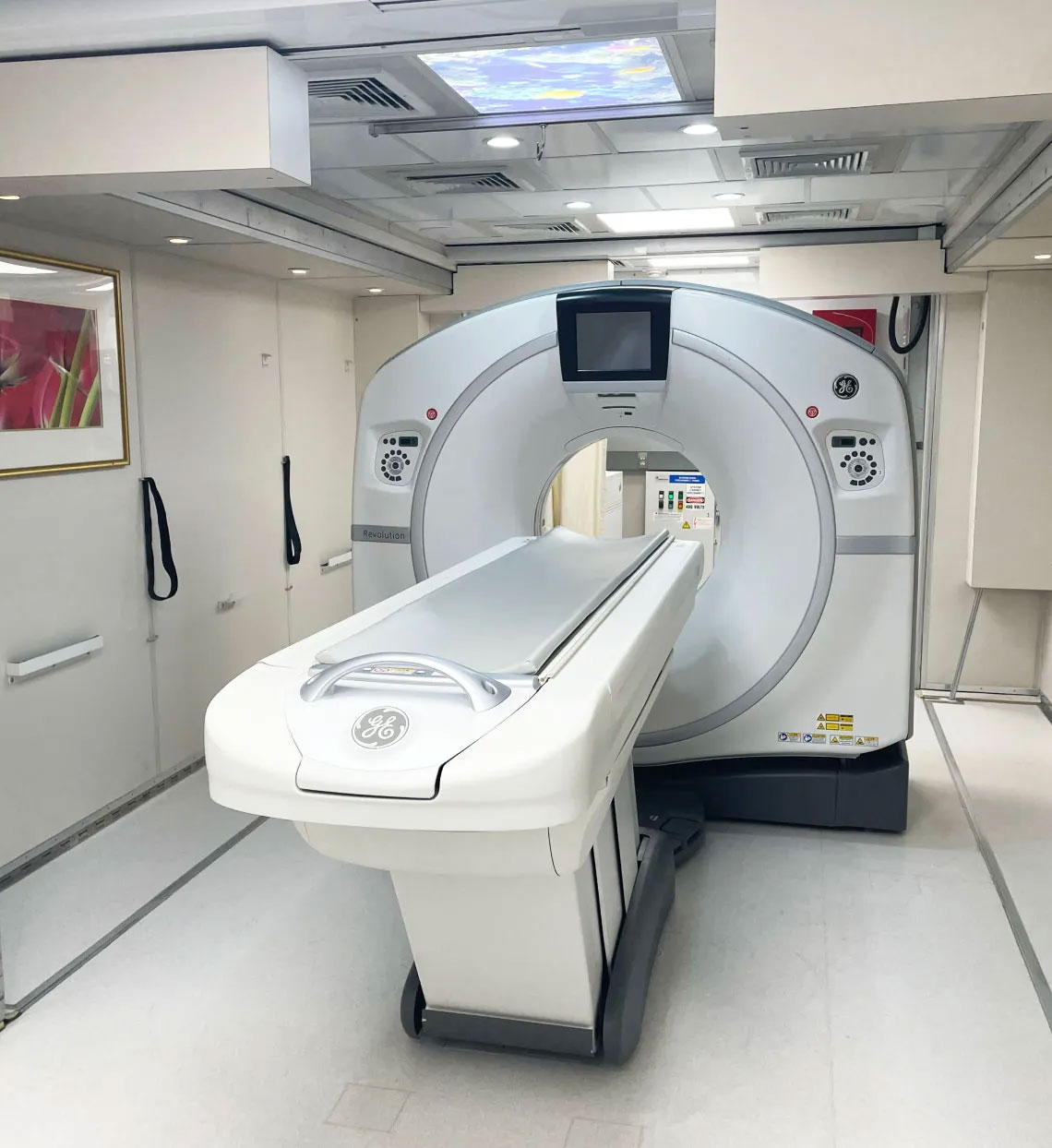
Mobile CT scanners are designed to meet hospital-grade imaging standards and support a wide range of routine and advanced diagnostic procedures.
What Procedures can be performed in a Mobile CT Scanner?
When properly deployed and supported, mobile CT scanners can be utilized for most of the same diagnostic studies as fixed CT rooms.
Common Diagnostic Procedures Performed in a Mobile CT Scanner
- Head CT for stroke evaluation and neurological assessment
- Chest CT for pulmonary embolism, infection, or lung screening
- Abdomen and pelvis CT
- Musculoskeletal CT imaging
- CT angiography (CTA)
- Contrast-enhanced diagnostic studies
- Oncology-related imaging and follow-up scans
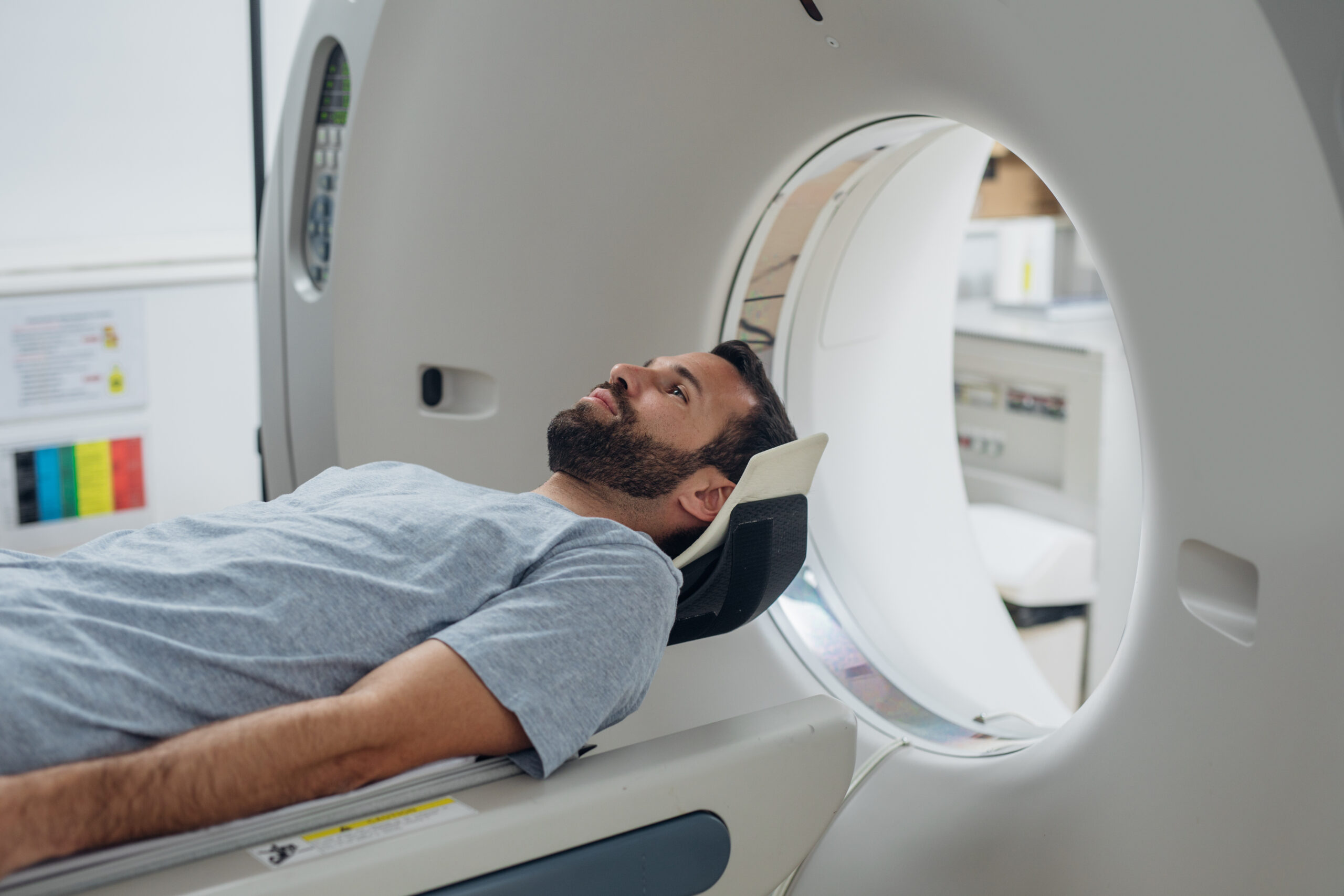
Mobile CT scanners are used for both inpatient and outpatient imaging, depending on workflow needs and facility layout.
Mobile CT vs. Modular Imaging: Key Differences Explained
Although the terms are sometimes used interchangeably, mobile and modular imaging refer to different approaches.
- Mobile CT imaging uses trailer-based units that are delivered and parked on-site for the duration of the lease.
- Modular imaging refers to relocatable building structures assembled on-site, similar to permanent construction. These are usually used for long-term projects.
In many cases, mobile CT scanners are selected when speed, flexibility, and minimal site disruption are top priorities.
Why Hospitals and Health Systems Choose Mobile CT Scanners
Faster Deployment
Mobile CT scanners offer one of the quickest paths to restoring or expanding imaging capacity. Units are deployed ready for installation, helping organizations avoid lengthy construction schedules.
Minimal Site Disruption
Because mobile CT units are self-contained, they require fewer site modifications than building-based solutions. This allows imaging services to continue with minimal impact on daily operations.
Proven Clinical Capability
Mobile CT scanners support a broad range of diagnostic procedures and are routinely used across hospital, outpatient, and rural healthcare settings.
As a result, mobile CT rentals are increasingly viewed as reliable long-term solutions—not just short-term fixes.
Patient Experience and Clinical Environment
Mobile CT scanners are designed to deliver a patient experience that closely mirrors a fixed imaging suite. From lighting and layout to infection control and privacy considerations, mobile CT environments are held to the same clinical standards hospitals expect from permanent imaging rooms.
For patients, this means:
- A familiar imaging experience with consistent protocols
- Safe, comfortable positioning and accessibility
- Continuity of care without disruption during renovations or equipment transitions
This helps organizations maintain patient satisfaction and confidence, even when imaging services are temporarily relocated.
Clinical Team Considerations
While mobile imaging environments differ from fixed imaging rooms, proper planning, layout design, and workflow integration help support technologists’ comfort and efficiency. IDI’s onsite project management and applications training focus on optimizing technologist workflows to ensure imaging teams can operate effectively and confidently throughout the lease period.
Ideal Use Cases for Mobile CT Rentals
Mobile CT scanners are commonly deployed for:
- Imaging department renovations or expansions
- Temporary capacity increases during high-volume periods
- Equipment replacement or technology upgrades
- Rural or satellite healthcare locations
- Disaster response and emergency preparedness
- Long-term imaging support without permanent construction
Cost, Schedule, and Infrastructure Considerations
Cost
Mobile CT rentals require a lower upfront investment compared to construction-based imaging spaces. Leasing allows organizations to preserve capital while maintaining access to diagnostic imaging.
Schedule
Mobile CT scanners can be operational in as little as a week, much faster than permanent or modular imaging solutions.
Infrastructure
Mobile CT units require access to power and utilities but generally involve fewer permitting and structural requirements than fixed imaging rooms.
Key Considerations for a Successful Mobile CT Deployment
Deploying a mobile CT scanner involves more than delivering equipment. Keys to a successful project involve:
- Selecting the optimal location to park the unit
- Ensuring site readiness and utility access
- Integrating patient and staff workflows
- Preparing clinical teams to operate the system
- Detailed onsite project management, helping determine the best location to site and park a mobile imaging unit
- On-site applications training, with short- or long-term staffing support available if needed
These services help ensure continuity, compliance, and operational efficiency throughout the lease period.
Is a Mobile CT Scanner the Right Temporary Imaging Solution?
For many organizations, mobile CT scanners offer a practical way to maintain imaging access without long construction timelines or permanent expansion. Understanding how mobile CT fits into your broader imaging strategy is an important step in planning for growth, flexibility, and patient access.
Learn More About Mobile CT Solutions from IDI
If your healthcare organization is evaluating a mobile CT rental as part of a temporary imaging strategy, IDI provides hospital-grade mobile CT scanners supported by experienced project management, onsite training, and OEM operational support.
Contact IDI to discuss how a mobile CT scanner can support your imaging needs—today and long term.